Le 03/12/2025
rédigé par Laura P
PPF vs covering : rôles, épaisseurs, rendu, réparabilité
PPF vs covering : différences, rendu et protection
Tu cherches à rendre ta voiture unique tout en la protégeant ? Entre le covering et le PPF, il n’est pas toujours évident de choisir. Les deux solutions transforment le style de ton véhicule, mais leurs objectifs, leur résistance et leur rendu sont très différents.
Dans cet article, on t’explique clairement les différences entre covering et PPF, avec des exemples concrets issus de notre gamme Variance Auto.

Covering et PPF : quels rôles pour ta voiture ?
Avant de comparer les épaisseurs ou la réparabilité, il faut d’abord comprendre à quoi servent réellement le covering et le PPF. Même s’ils sont tous les deux un film posé sur la carrosserie, leurs objectifs ne sont pas du tout les mêmes.
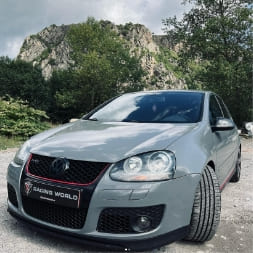
Le covering est avant tout esthétique. Il te permet de changer la couleur, la texture ou le style de ton véhicule sans passer par une peinture. Mat, brillant, carbone, satin, pailleté, caméléon, métallisé ou brossé : tu personnalises ton auto comme tu le veux.
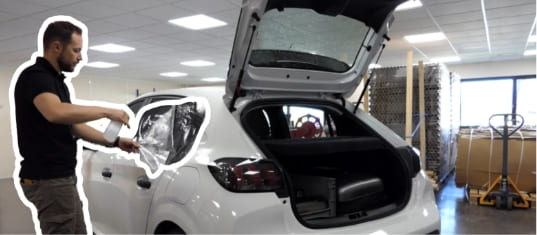
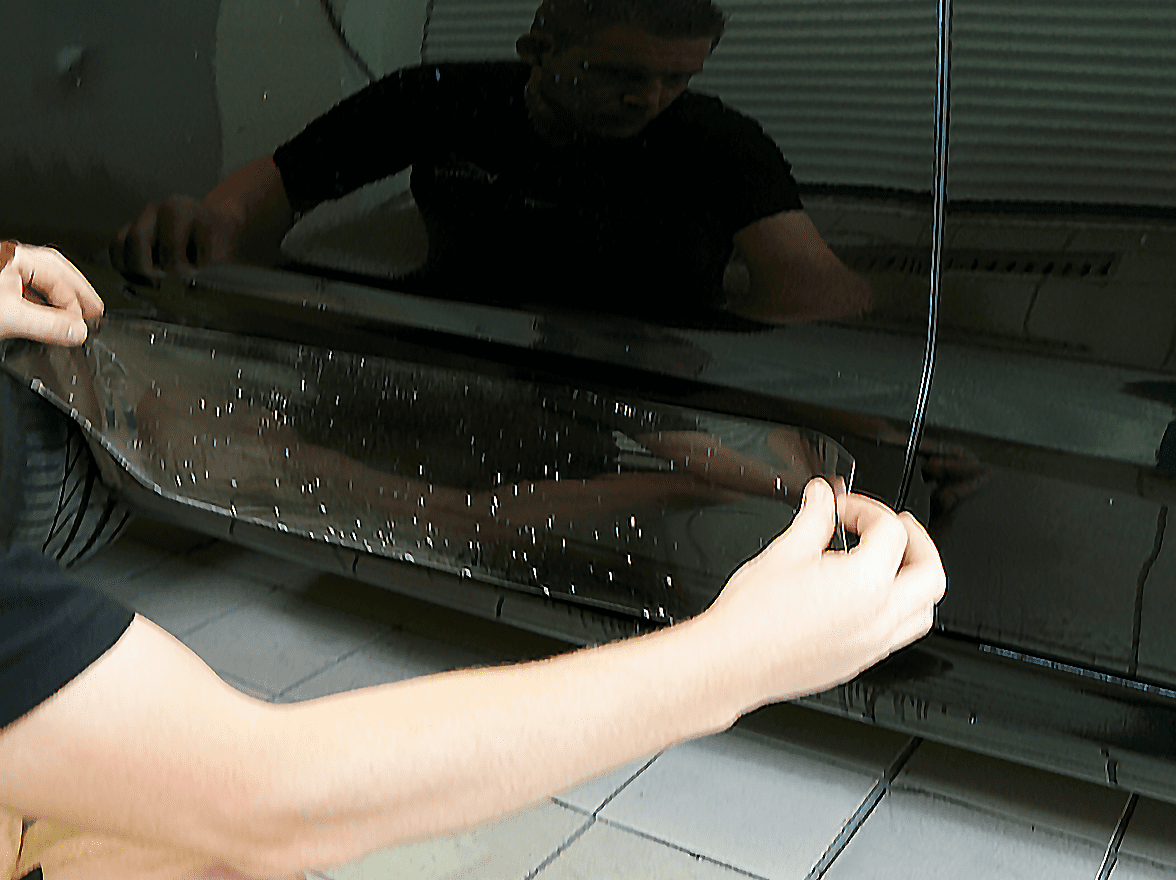
À l’inverse, le PPF (Paint Protection Film) est un film de protection transparent qui absorbe les impacts, les micro-rayures et les frottements. Son rôle principal : préserver la peinture d’origine.
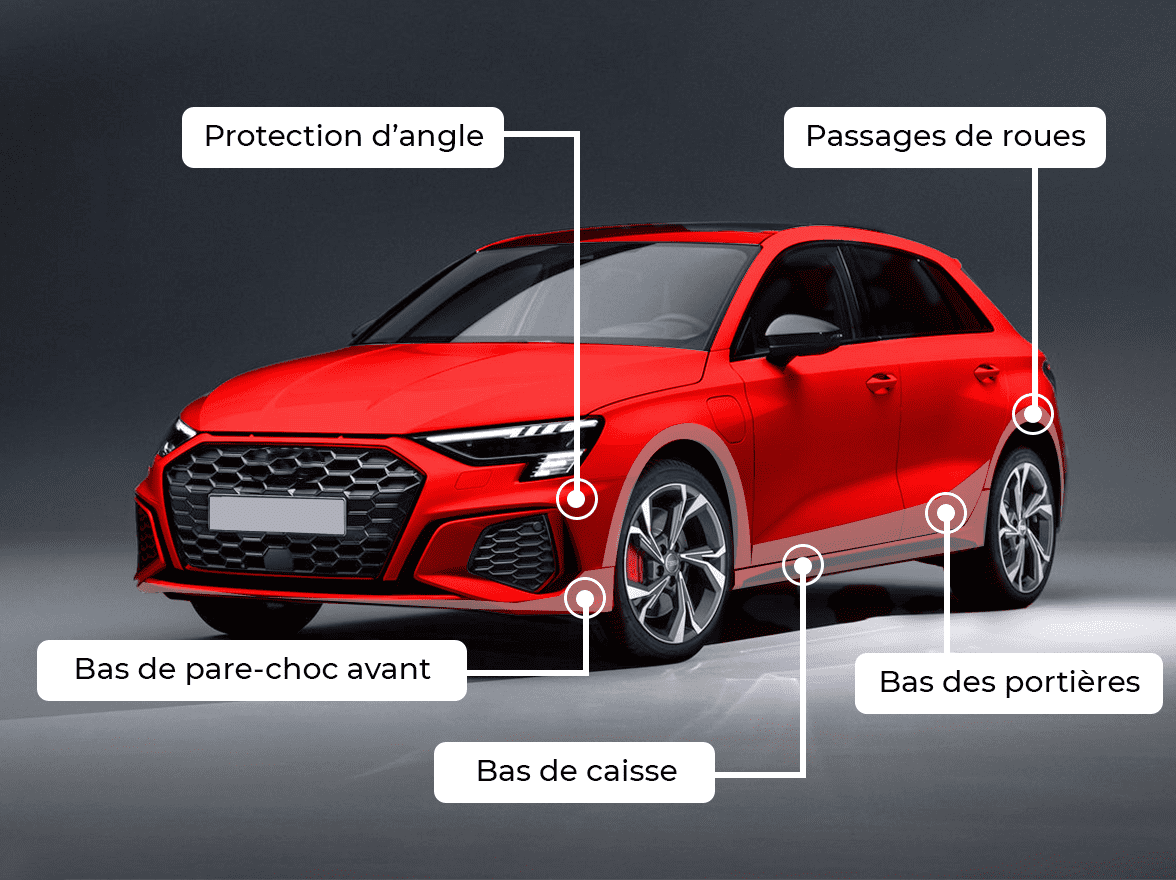
Les deux solutions peuvent donc être complémentaires : tu peux personnaliser ton véhicule avec un covering et protéger certaines zones critiques (pare-chocs, ailes, bas de caisse) avec du PPF.

Différences d’épaisseurs : finesse vs protection
L’épaisseur d’un film joue énormément sur son niveau de protection et son rendu. C’est l’un des critères les plus importants lorsque tu hésites entre covering et PPF.
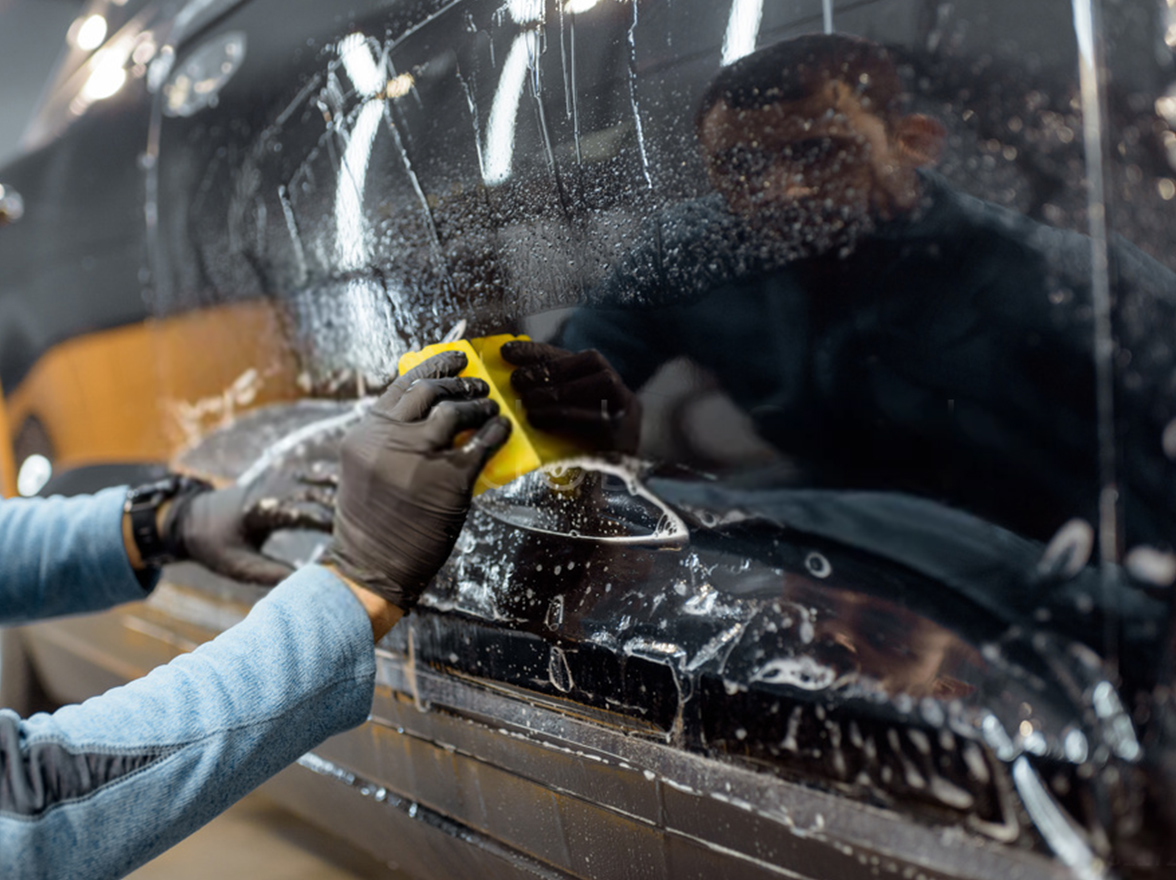
Un covering classique fait entre 80 et 120 microns, adhésif compris. Cette faible épaisseur lui permet d’épouser facilement les formes complexes et d’offrir un rendu propre et homogène.
Un PPF, quant à lui, est beaucoup plus épais : entre 150 et 200 microns selon les modèles. Chez Variance Auto, notre PROTEC-6004 auto-cicatrisant brillant et notre PROTEC-6008 transparent affichent une épaisseur pensée pour absorber efficacement les impacts de gravillons, les traces d’ongles autour des poignées et les micro-rayures du quotidien.
En résumé :
- Covering → fin, esthétique, facile à modeler
- PPF → épais, ultra-protecteur, auto-cicatrisant selon les modèles

Rendu visuel : transformation vs transparence totale
Le rendu est souvent le critère numéro un pour les passionnés. Que tu veuilles changer radicalement le look de ta voiture ou préserver son style d’origine, covering et PPF ne jouent pas le même rôle.
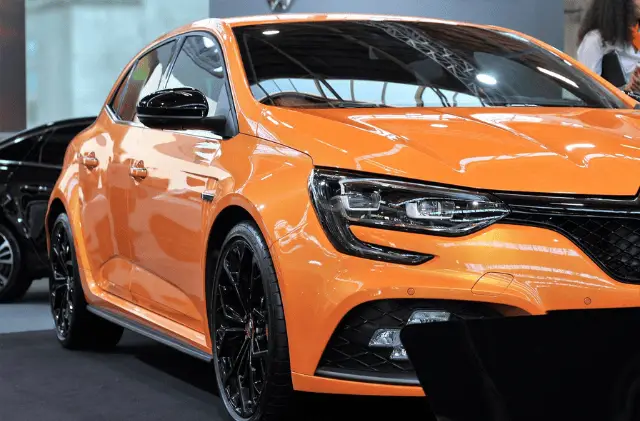
Avec le covering, tu peux littéralement changer l’âme de ton véhicule. Tu peux passer d’un blanc classique à un noir satin, un orange mat, un bleu métallisé… la seule limite, c’est ton imagination.
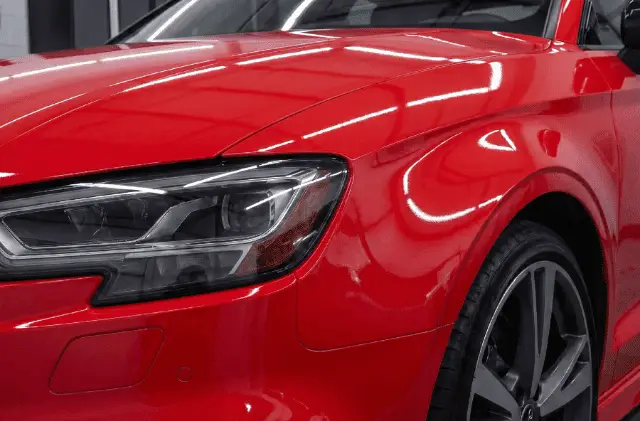
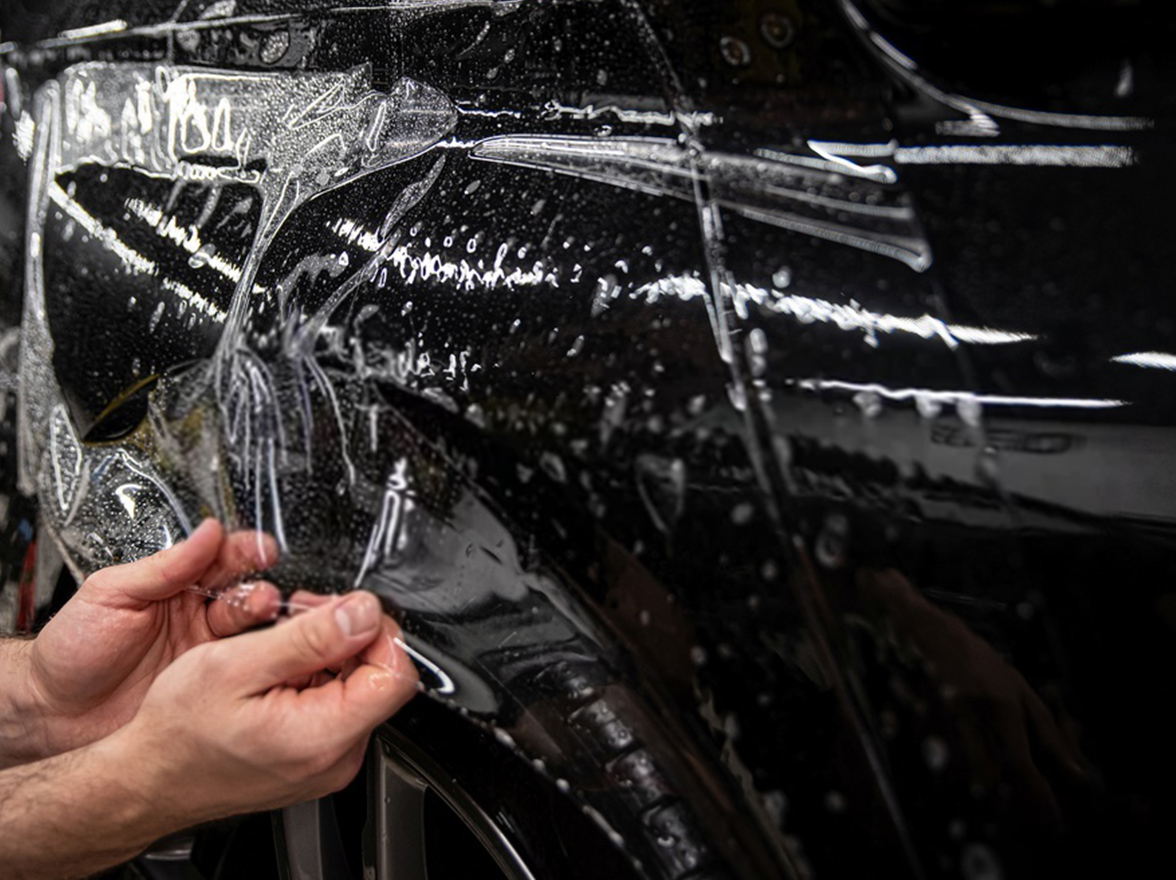
Le PPF, lui, est pensé pour être invisible. Nos modèles PROTEC-6604 (brillant auto-cicatrisant) et PROTEC-6608 (transparent haute clarté) conservent parfaitement la teinte et la profondeur d’origine. Le PROTEC-6604 ajoute même une finition brillante intense qui sublime la peinture.
En résumé :
- Si tu veux un changement visible : covering.
- Si tu veux protéger sans toucher au style : PPF.

Réparabilité, durabilité et entretien
Ce point fait souvent pencher la balance, car il impacte directement ton budget sur le long terme et la durée de vie de ta carrosserie.
Le covering peut se réparer en remplaçant uniquement les zones abîmées. En revanche, il est plus sensible aux micro-rayures et son vieillissement dépend de la qualité du film et de l’exposition aux UV.
Le PPF possède un énorme avantage : certains modèles, comme notre PROTEC-6604, sont auto-cicatrisants, ce qui signifie que les micro-rayures disparaissent sous l’effet de la chaleur. Le PROTEC-6608 offre une protection plus classique mais très résistante.
En termes de durabilité :
- Covering : 4 à 6 ans en moyenne
- PPF : 8 à 12 ans selon l’entretien et l’exposition
Pour l’entretien, le PPF demande moins d’efforts : il résiste mieux aux lavages et à l’abrasion, ce qui le rend idéal pour les daily drivers ou les voitures régulièrement exposées.
Avantages et inconvénients
Pour t’aider à choisir, voici un résumé clair des points forts et faibles de chaque solution.


Erreurs à éviter avant de choisir
Beaucoup d’automobilistes se trompent en choisissant une solution qui ne correspond pas à leurs besoins. Voici les pièges à éviter.
- Ne pas définir ton objectif (esthétique ou protection).
- Choisir un film bas de gamme qui jaunit ou craquelle.
- Mélanger les deux techniques sans plan clair (ex : covering mat + PPF brillant).
- Ne pas protéger les zones réellement exposées (bas de caisse, pare-chocs, coffre, rétroviseur, …).
FAQ - PPF vs covering
Voici les réponses aux questions les plus fréquentes sur le PPF et le covering.
1/ Le PPF peut-il être posé sur un covering ?
Non, car l’épaisseur du covering compromettrait l’adhérence et la transparence du PPF.
2/ Le covering peut-il être posé sur du PPF ?
Techniquement oui, mais ce n’est pas recommandé : l’adhésif adhère moins bien et la tenue dans le temps est réduite.
3/ Un PPF auto-cicatrisant répare-t-il toutes les rayures ?
Il efface uniquement les micro-rayures. Les impacts profonds restent visibles.
4/ Le covering abîme-t-il la peinture ?
Non, si la peinture d’origine est saine et si le film est retiré correctement.
5/ Le PPF change-t-il la couleur de la voiture ?
Non, il est conçu pour rester totalement transparent.
Si tu veux changer le look de ta voiture, le covering est la solution idéale. Si tu veux la protéger durablement, le PPF est imbattable. Et si tu veux combiner style et longévité, rien ne t’empêche de mixer les deux intelligemment.
Besoin d’un conseil pour choisir ? Contacte notre service commercial Variance Auto dès maintenant.